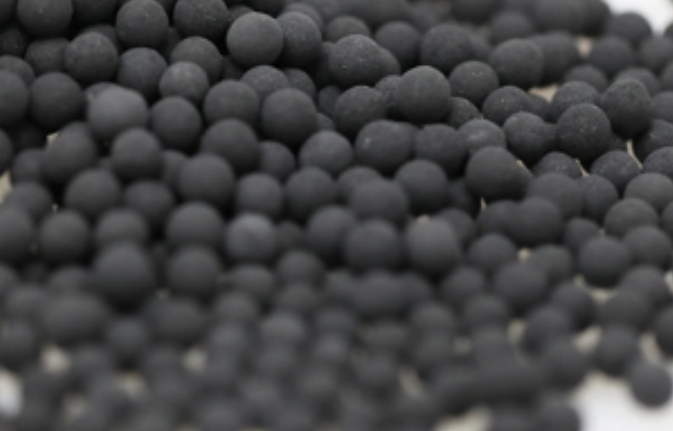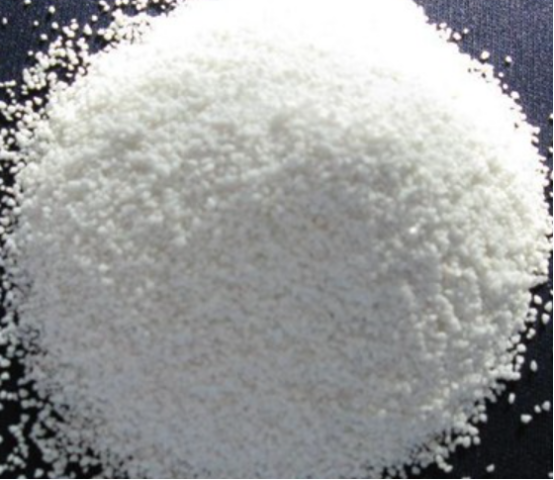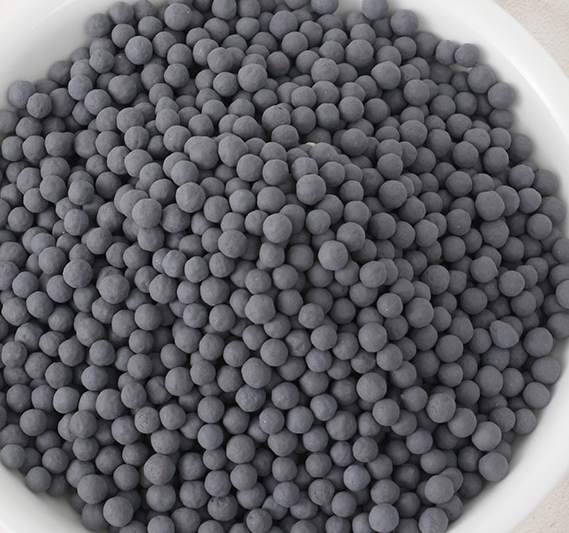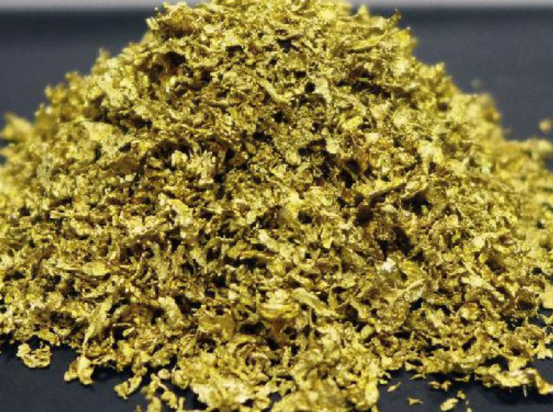
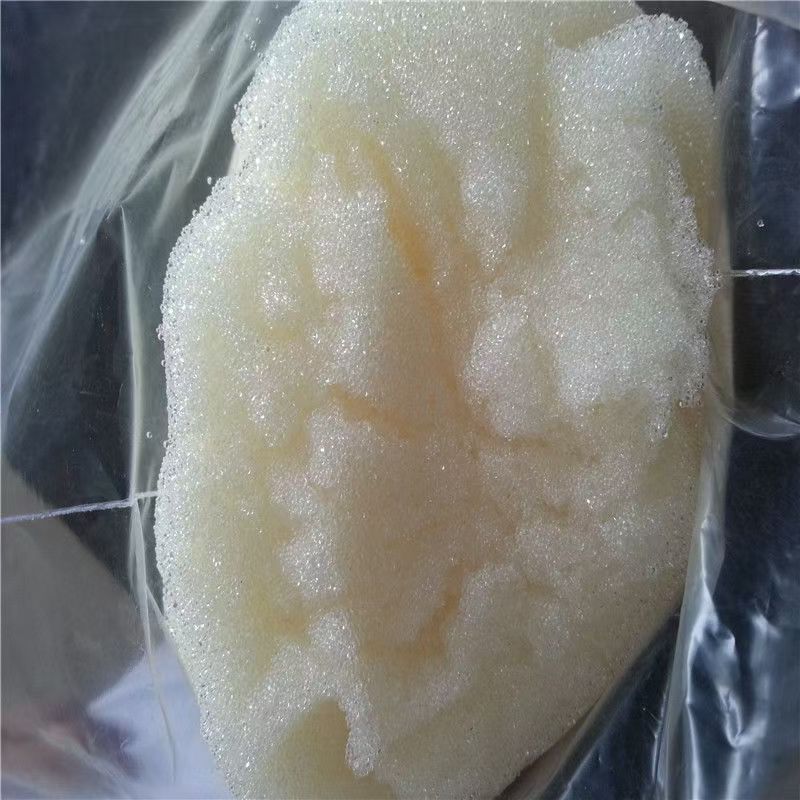
The Weak Base Anion Exchange Resin with primary, secondary, tertiary amine or mixed amine group as active functional groups show different strengths of alkalinity. Most weak Base Anion Exchange Resins with mixed amine group equipped an extremely high operating capacity with the ability to remove both strong and weak acids from solution. There are two kinds of weak base anion exchange resins, Gel type and Macroporous type, which have acrylic backbone, styrene backbone or mixed backbone. Weak base anion exchange resins are more chemically stable and higher resistant to organic fouling than strong base anions. The weak base anion exchange resin is easier to regenerate than the strong base resin, and can be efficiently regenerated with a small amount of sodium hydroxide. Weak base anion exchange resins are commonly used in pharmaceutical, food engineering, and chemical engineering, such as the removal of mineral acid, organic acids and other organic materials, especially for removal of high molecular weight organic matters from aqueous solutions under low pH condition.
Removal of mineral acid
Removal of organics
Pure water preparation
Wastewater treatment
|
Resins |
Polymer Matrix Structure |
Physical Form Appearance |
Function Group |
Ionic Form |
Total Exchange Capacity meq/ml |
Moisture Content |
Particle Size mm |
SwellingFB→Cl Max. |
Shipping Weight g/L |
|
MA301 |
Macroporous Ploy-styrene |
Opaque White Spherical Beads |
Tertiary Amine |
Free Base |
1.4 |
55-60% |
0.3-1.2 |
20% |
650-700 |
|
MA301G |
Macroporous Poly-Styrene |
White Spherical Beads |
Tertiary Amine |
Cl- |
1.3 |
50-55% |
0.8-1.8 |
20% |
650-690 |
|
GA313 |
Gel type Poly-acrylic |
Transparent Spherical Beads |
Tertiary Amine |
Free Base |
1.4 |
55-65% |
0.3-1.2 |
25% |
650-700 |
|
MA313 |
Macroporous Poly-acrylic |
White Spherical Beads |
Tertiary Amine |
Free Base |
2 |
48-58% |
0.3-1.2 |
20% |
65 |