

Introduction
Ion exchange is a water treatment process commonly used for water softening or demineralization, but it also is used to remove other substances from the water in processes such as dealkalization, deionization, and disinfection.
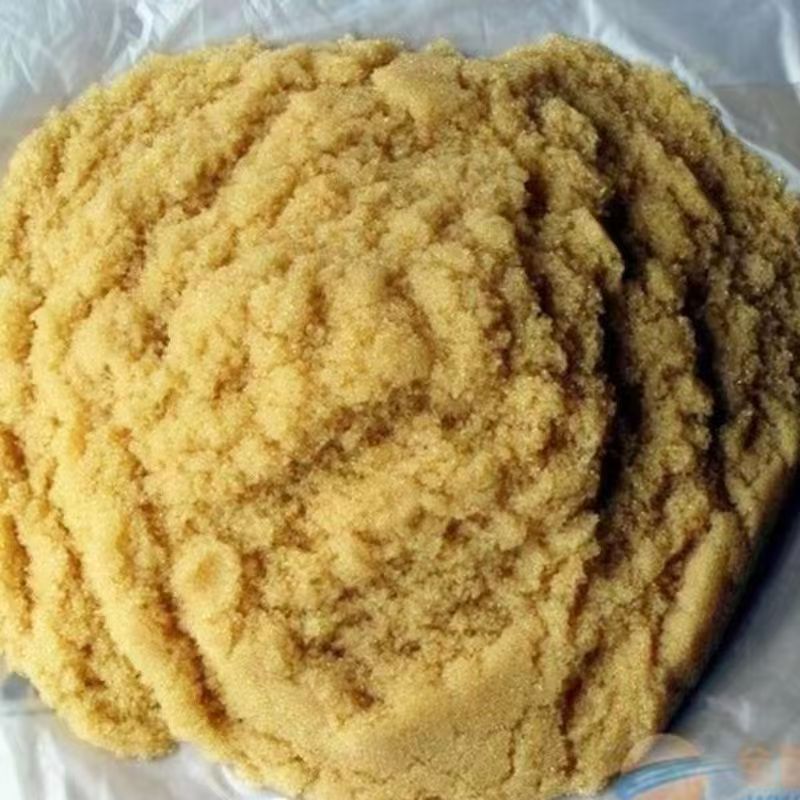
Ion exchange involves removing the hardness ions calcium and magnesium and replacing them with non-hardness ions, typically sodium supplied by dissolved sodium chloride salt, or brine. The softener contains a microporous exchange resin, usually sulfonated polystyrene beads that are supersaturated with sodium to cover the bead surfaces. As water passes through this resin bed, calcium and magnesium ions attach to the resin beads and the loosely held sodium is released from the resin into the water.
The presence of calcium (Ca) and/or magnesium (Mg) in water results in water being considered “hard.” Calcium and magnesium ions in water react with heat, metallic plumbing, and chemical agents such as detergents to decrease the effectiveness of nearly any cleaning task. Hard water can be softened using an ion exchange softening process. This guide discusses the ion exchange water softening process and related equipment used for household water treatment.
Applications
Drinking water & Potable water
Underground water treatment


