Introduction
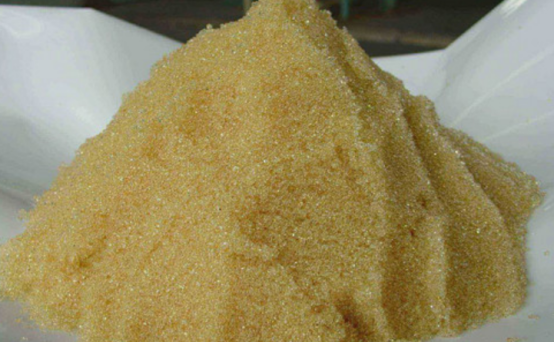
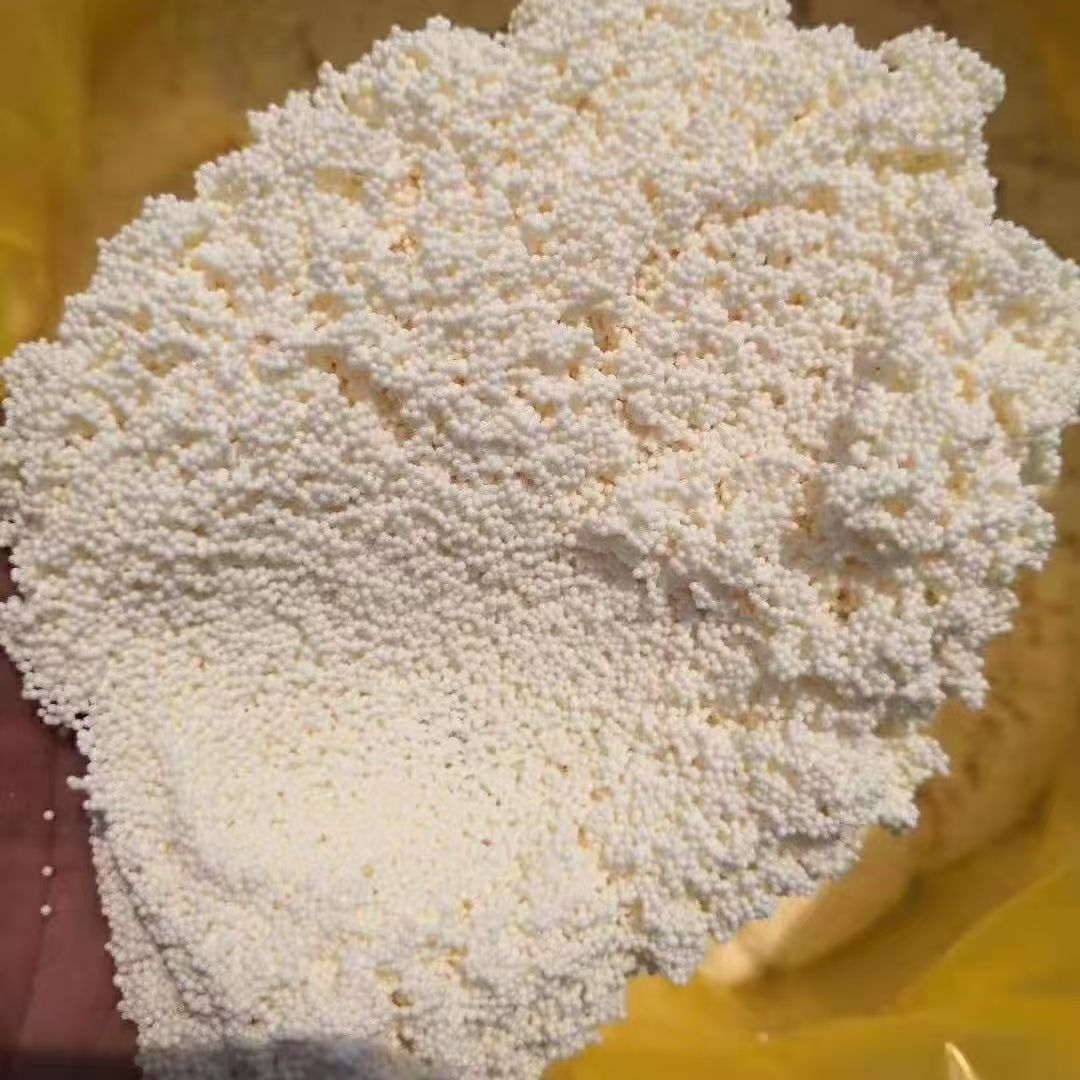
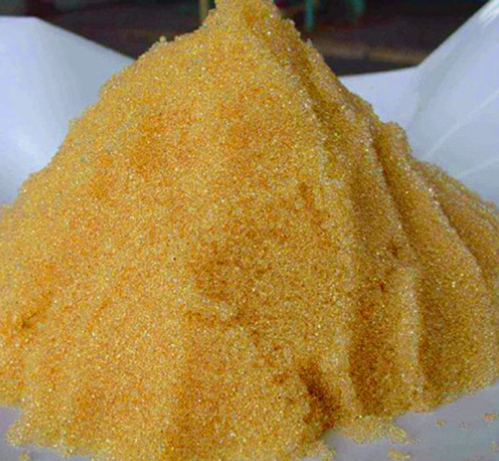
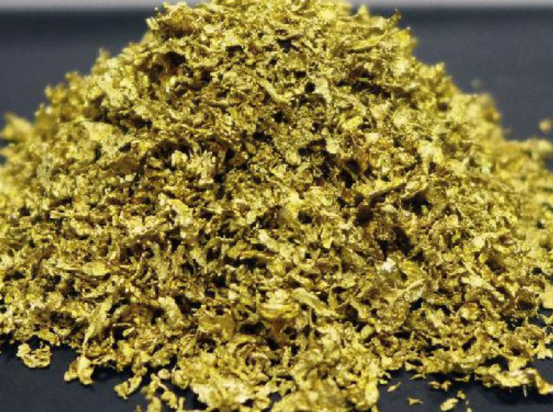
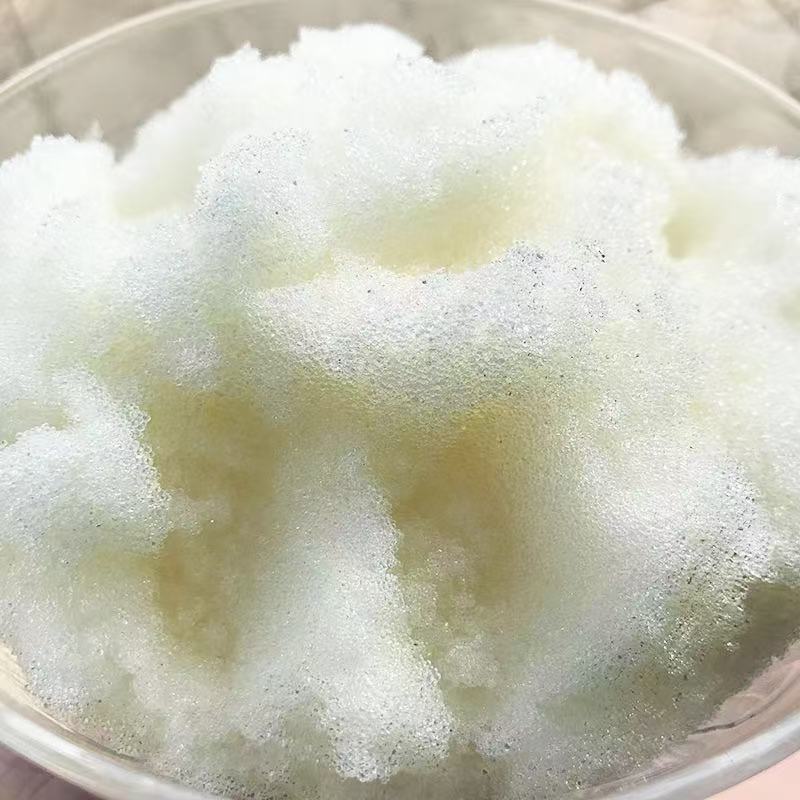
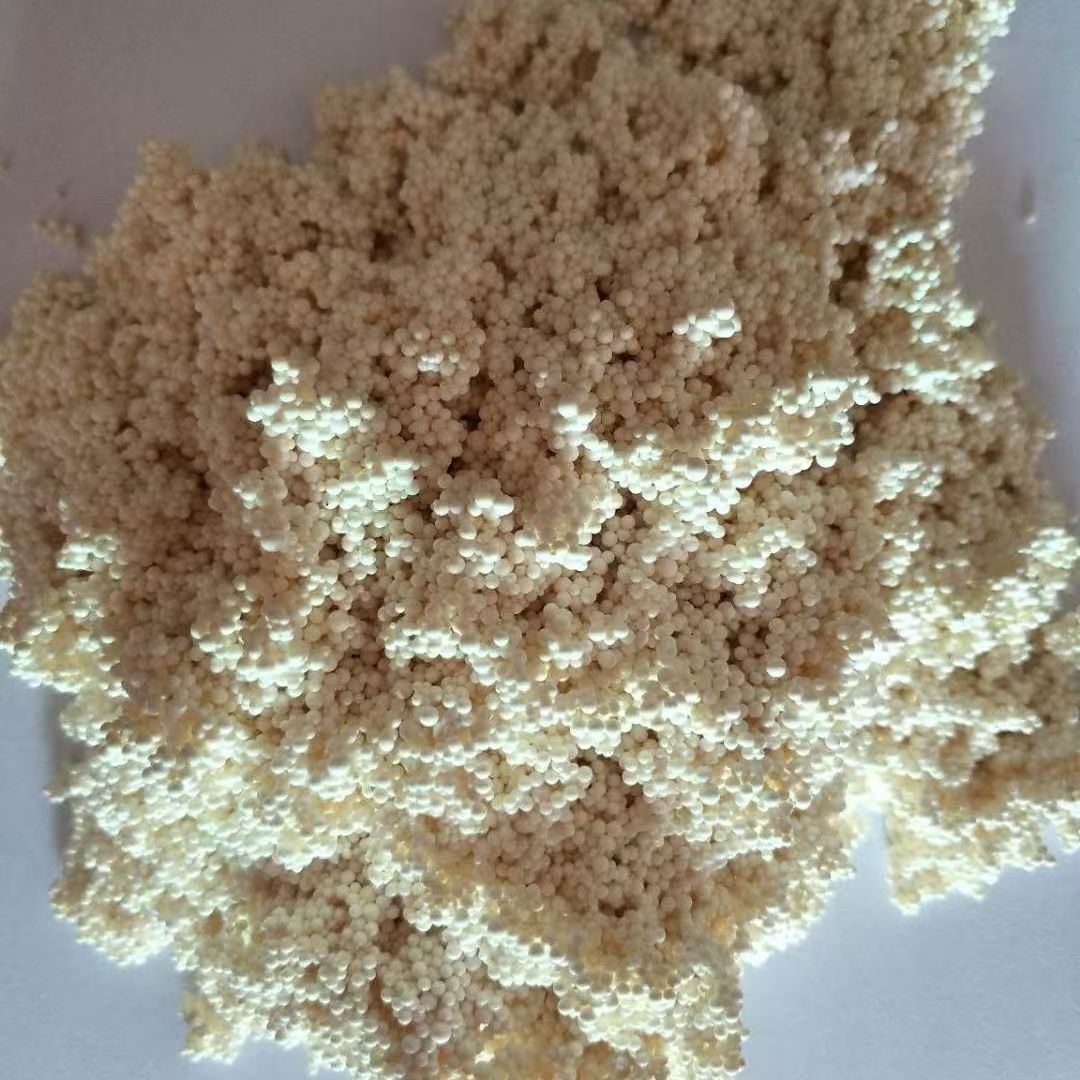
Ion exchange resins are used to remove impurities from water and regulate pH levels. They are commonly used in the aquarium industry to improve water quality and support aquatic life. Ion exchange resins are commonly used in the aquarium business to filter out contaminants including chlorine, chloramines, and heavy metals from municipal water supplies. These contaminants have the potential to harm marine life and reduce the overall quality of water. Ion exchange resins aid in maintaining a balanced and sanitary aquatic ecosystem by absorbing and exchanging ions.
Each type of ion exchange resin has its own specific ion form, such as Na and H for cation resins and Cl and OH for anion resins. They can function independently, or in custom-made tandem configurations. It’s crucial to choose the correct ion exchange resin for your aquarium’s demands.
Properties
1 Total exchange capacity (eq/L) Cl- form ≥0.8
2 Moisture retention (%) Cl- form 48-58
3 Particle size range (%) 0.315-1.25 mm ≥95
4 Whole beads (%) ≥95
5 Shipping weight (g/ml) Cl- form 0.65-0.75
6 Specific gravity (g/ml) Cl- form 1.05-1.15
7 Uniformity coefficient <1.6
Applications
Keep the water clarity
Regulate PH value
Control ammonia
Remove nitrate
Adjust the degree of soft and hard water according to the fish species.