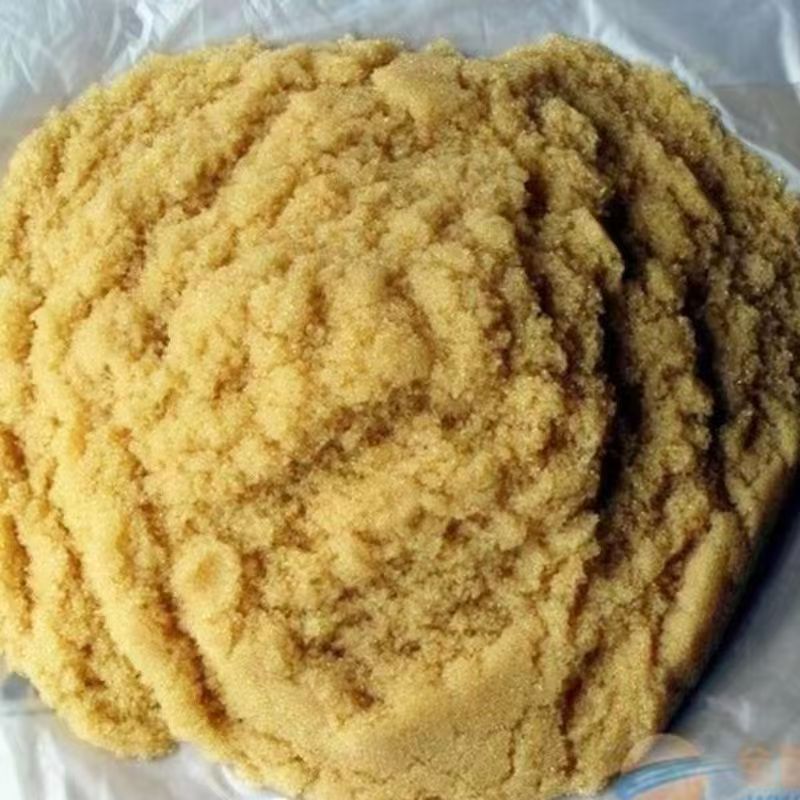
Chromatography Separation ion exchange resin
Introduction
Ion-exchange chromatography is a type of chromatography that separates analytes based on charge. A column is used that is filled with a charged stationary phase on a solid support, called an ion-exchange resin. Strong cation-exchange chromatography preferentially separates out cations by using a negatively-charged resin while strong anion-exchange chromatography preferentially selects out anions by using a positively-charged resin. This type of chromatography is popular for sample preparation, for example in the cleanup of proteins or nucleic acid samples.
Applications
Seperate and purify of glucose, maltose and oligosaccharide.
Improve the purity of glucose from 60% to 90%min.